Welcome to
Faverolles Gardens
Lavender Farm & Native Plants
in the heart of Central New York
Visit Faverolles Gardens for our plant sale!
Visit us at The Amber Inn
August 16, 2026
Noon – 4 pm

Why Native Plants?
Native plant gardens increase local biodiversity!
Learn more here…
Lavender
Loved by pollinators and humans alike, lavender is beautiful and restorative. Being in a field of lavender is a truly multisensory experience: the lavender colors, buzzing of bumble bees, scent of lavender oils, and feel of silky blossoms. It is no surprise that lavender has been a source of beauty and wellness for centuries.
At Faverolles Gardens, we sell culinary lavender buds, fresh lavender bouquets, and lavender plants. Janet is always experimenting with culinary uses of lavender.
Native Plants
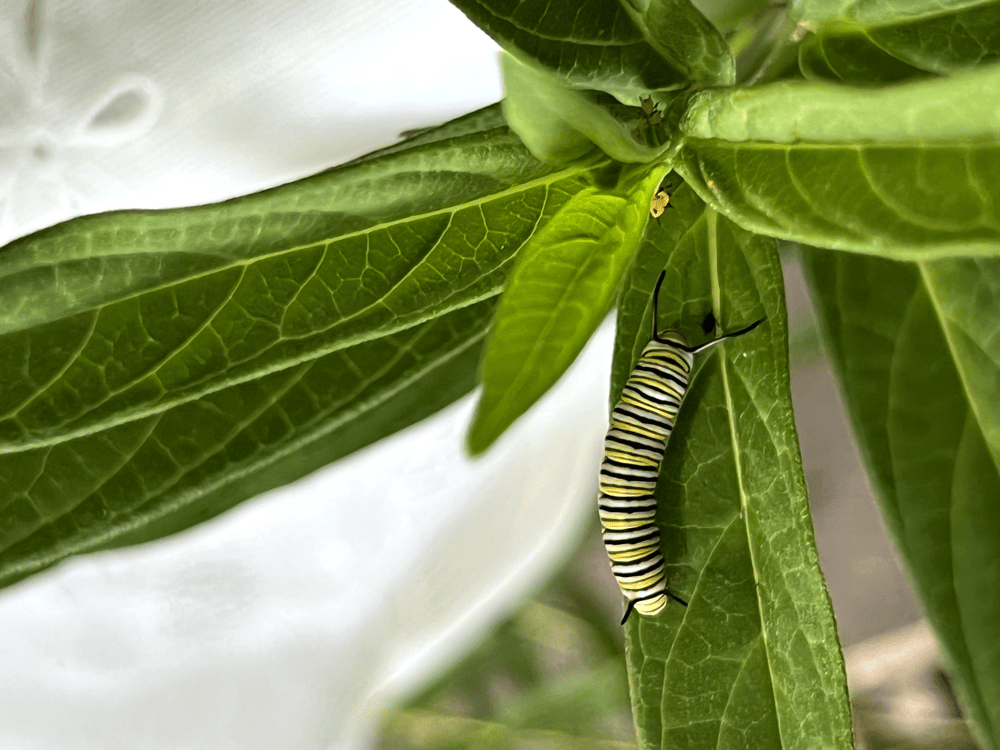
Native plants growing in their historical range provide food and shelter for indigenous pollinators, insects, birds, and mammals. They are the crucial backbone to ecosystem food webs. Many species of butterflies and native bees coevolved with native plants and as a result specialize on specific plants for food, larval hosting, and shelter.
Your choice to plant native plants is opening-up an entire world of opportunities for the indigenous flora and fauna in your yard!
Events
Faverolles Gardens is closed for the season. We will re-open at the farm in late
June 2025.
Email faverollesgardens to preorder from a broad range of plants native to central New York.
Visit us at the Winter Market at Baltimore Woods the second Saturday of each month through April 2026.
We will be at the CNY Regional Farmers Market on Saturdays in
May 2026.
Motivation and Philosophy
I am concerned about the increasing global decline in biodiversity. Elizabeth Kolbert has eloquently described how we are currently living in the “sixth extinction.” Loss of species and ecosystems combine with global warming to threaten our planet. This leads to ecosystems losing resiliency with the result that many species face extinction… including ours.
With formal training in evolutionary ecology and inspiration from global conservation leader Jane Goodall, I decided to be “Be Hopeful” and do what I can to make a difference. Focusing on local and native plant-animal systems can increase local biodiversity through intentional gardening in our own yards. I am committed to planting native plants and sharing what I learn with others.
Doug Tallamy has been raising awareness that local gardens will ultimately contribute to global biodiversity through Homegrown National Park. This non-profit community educates gardeners and urges all to “Get on the Map!” Every gardener can increase biodiversity by planting native plants that support the life cycles of native insects which in turn support birds and other animals. Humans benefit through increased connections to beautiful natural systems and ultimately from environments that are resilient to the impacts of change. All of these local individual efforts combine in a patchwork quilt of resilient habitats that increase global biodiversity and create a more stable planet for all.